KASUT KANAK-KANAK · PANDUAN KESELAMATAN
Jawapan ringkasnya ialah ya — banyak selipar haiwan menawarkan tapak tidak licin atau cengkaman yang sesuai untuk lantai kayu keras dan jubin, tetapi hanya jika bahan tunggal dipilih dengan betul. Panduan ini menguraikan perkara yang perlu dicari.
Jawapan Langsung: Ya, Tetapi Hanya Jika Anda Memilih Jenis Tunggal Yang Tepat
Jawapan ringkasnya ialah ya, ramai selipar haiwan menawarkan tapak tidak licin atau cengkaman yang sesuai untuk lantai kayu keras dan jubin , tetapi ini bergantung sepenuhnya pada bahan tunggal dan reka bentuk tapak dan bukannya luaran yang comel. Tidak setiap pasang selipar arnab arnab atau selipar lain dengan haiwan di pasaran dibina dengan mempertimbangkan rintangan gelincir. Sesetengahnya direka bentuk semata-mata untuk kegunaan permaidani lembut, manakala yang lain menampilkan tapak luar bergetah atau bertekstur yang direka khusus untuk permukaan yang keras dan licin. Ibu bapa yang membeli-belah untuk kasut rumah haiwan harus melihat melepasi telinga mewah dan muka bersulam dan periksa binaan tapaknya terlebih dahulu, kerana ciri tunggal itu menentukan sama ada selipar itu selamat atau berbahaya pada lantai licin.
Ujian bebas oleh organisasi keselamatan kasut telah menunjukkan bahawa tapak yang diperbuat daripada getah termoplastik (TPR) atau silikon bertekstur boleh mengurangkan kejadian gelincir sehingga 60% berbanding fabrik licin atau tapak felt pada kayu keras dan jubin.
Ini adalah perbezaan yang bermakna untuk kanak-kanak kecil yang masih membina keseimbangan dan koordinasi, terutamanya kanak-kanak kecil yang cenderung berlari atau meluncur melintasi lantai licin dalam sarung kaki atau kasut ringan.
Mengapa Cengkaman Lantai Lebih Penting Daripada Yang Anda Mungkin Fikirkan
Kanak-kanak jatuh jauh lebih kerap berbanding orang dewasa, dan peratusan besar kecederaan rumah di kalangan kanak-kanak di bawah umur 10 tahun melibatkan tergelincir pada lantai keras. Menurut data kecederaan pediatrik yang disusun oleh kumpulan keselamatan pengguna, jatuh menyumbang sebahagian besar lawatan bilik kecemasan untuk kanak-kanak kecil setiap tahun, dan daya tarikan kasut memainkan peranan langsung dalam kebanyakan insiden ini. Memilih kasut rumah haiwan dengan cengkaman yang boleh dipercayai bukan sekadar keputusan yang selesa — ia adalah langkah keselamatan yang praktikal.
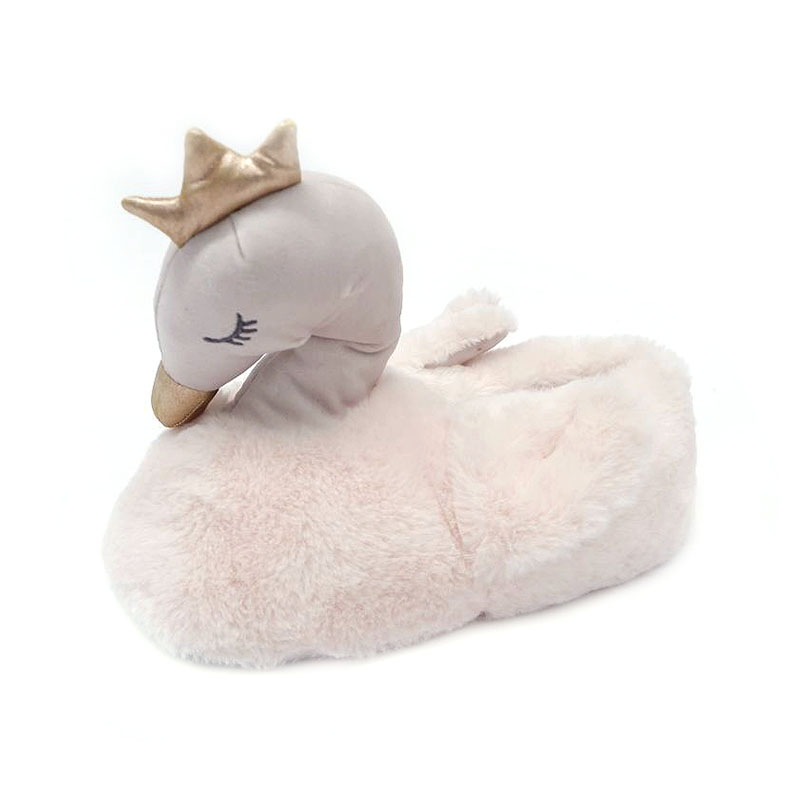
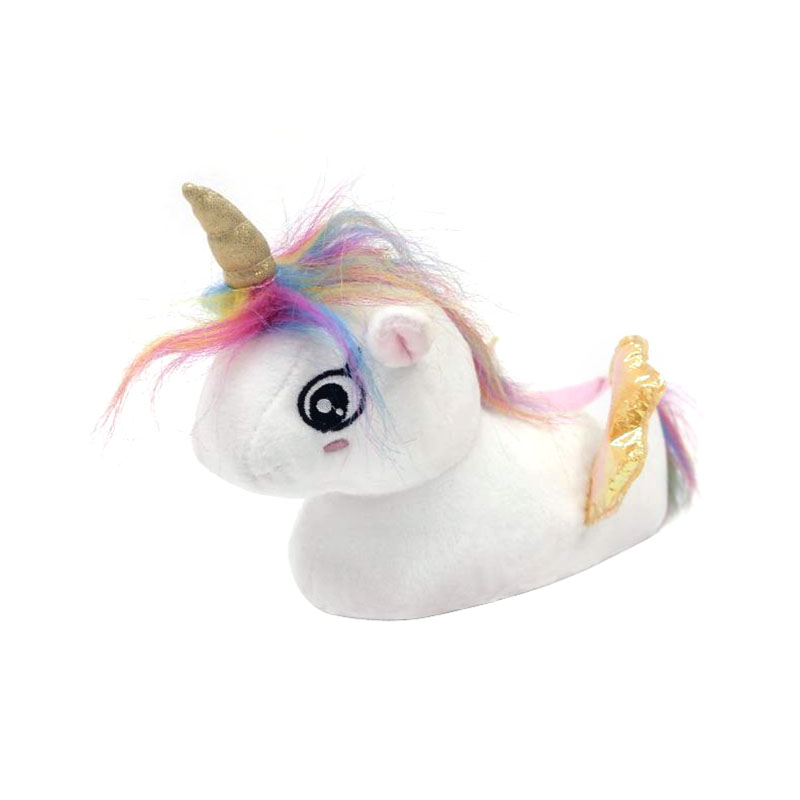
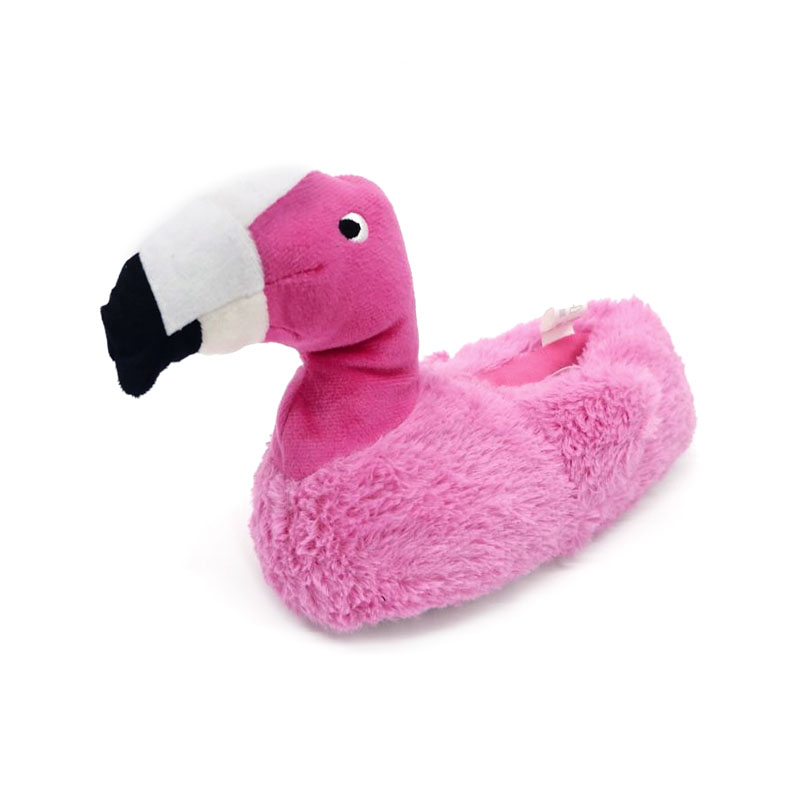
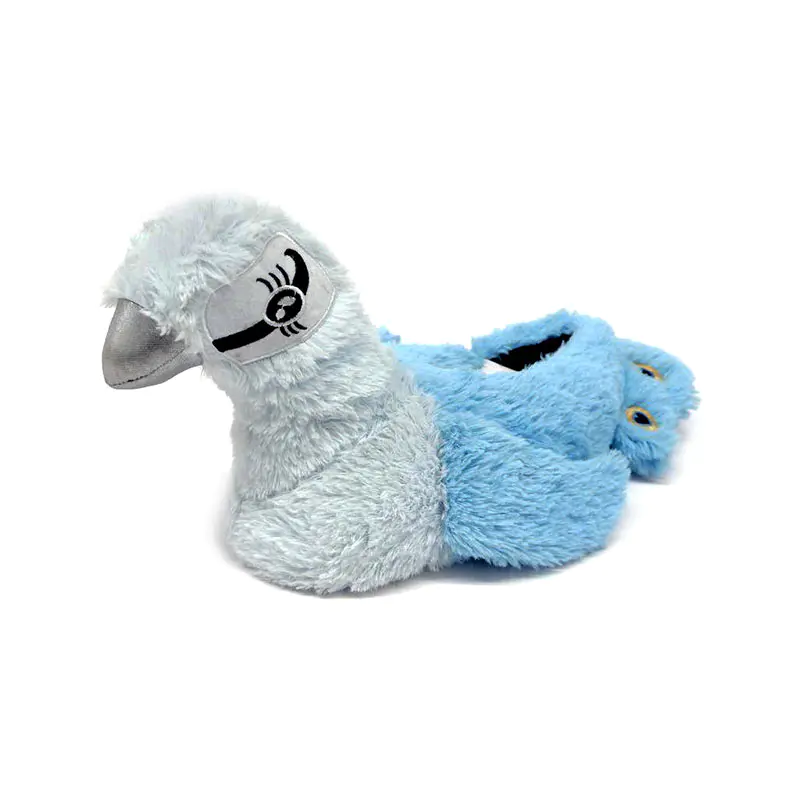
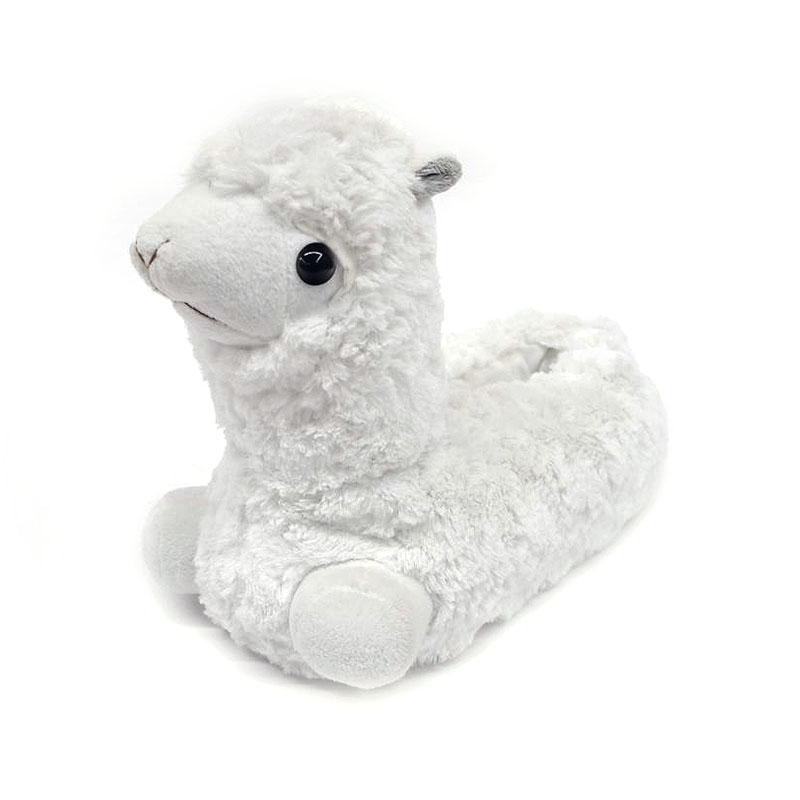
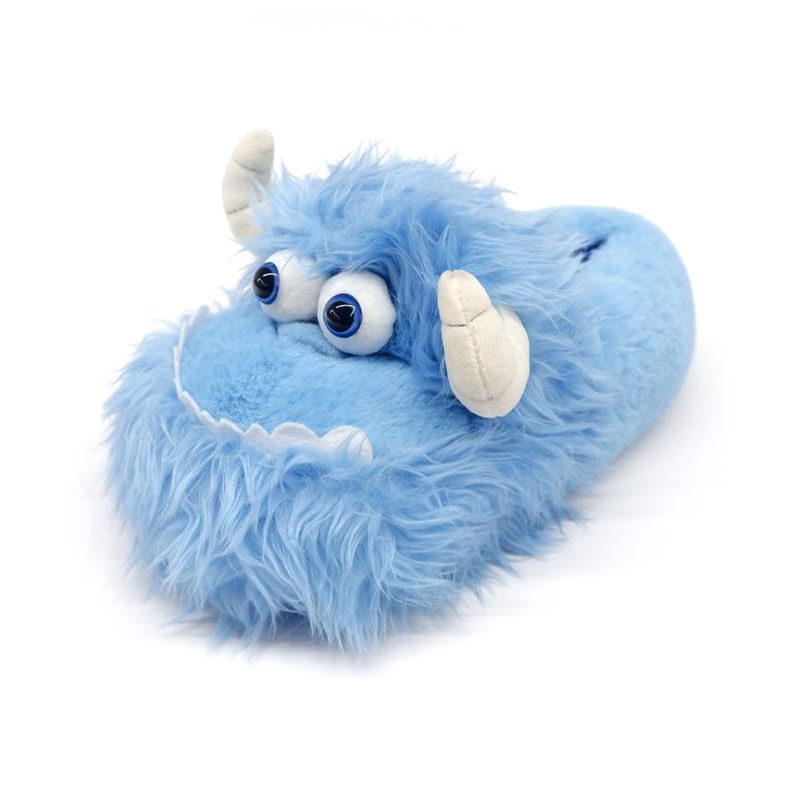
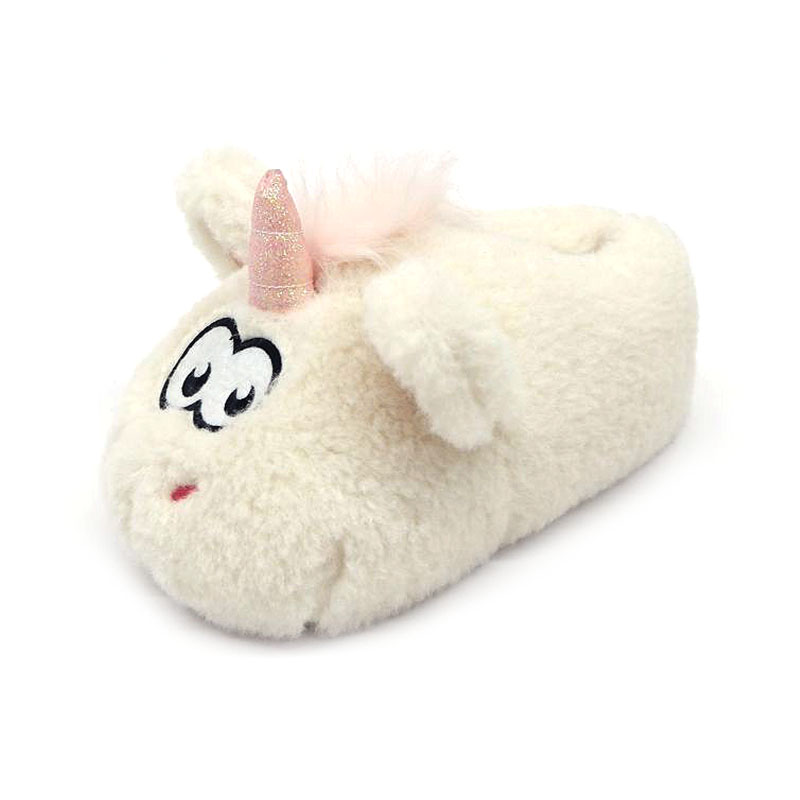
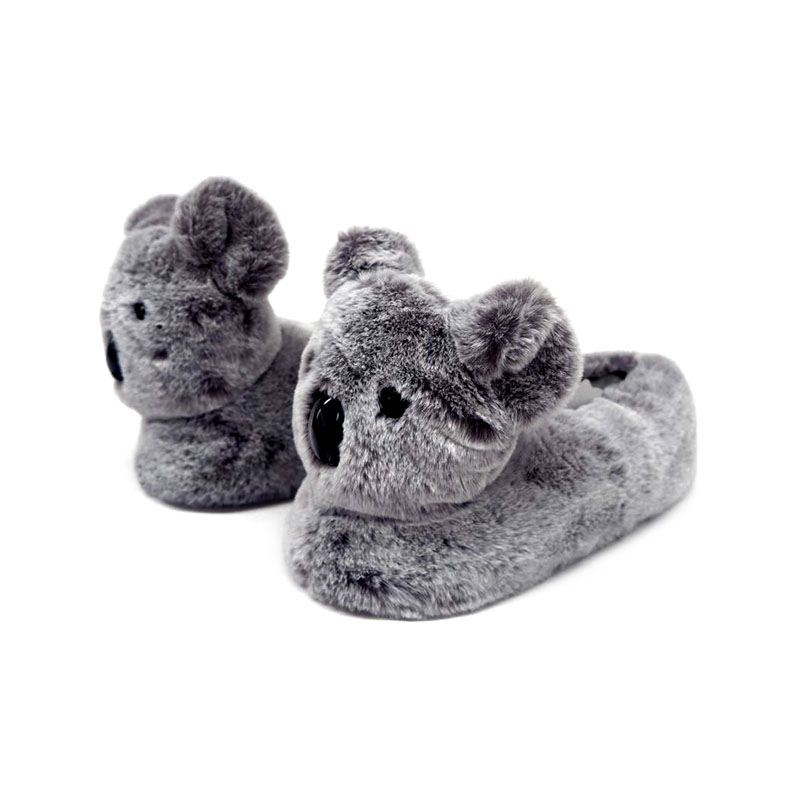
selipar haiwan
Fizik Di Sebalik Tapak Licin
Lantai kayu keras dan jubin mempunyai geseran permukaan yang rendah berbanding dengan permaidani. Tapak selipar memerlukan pekali geseran yang cukup tinggi untuk mengatasi momentum kanak-kanak berlari atau berjalan. Tapak kain yang dirasa licin, bulu bulu atau tidak bercorak biasanya mempunyai cengkaman yang lemah kerana ia meluncur dengan mudah merentasi permukaan yang digilap. Sebaliknya, tapak dengan titik terangkat, rabung, atau sebatian getah yang sedikit melekat menghasilkan titik geseran yang menahan gelongsor.
Situasi Biasa Di Mana Cengkaman Paling Penting
- Berjalan pantas melalui lorong atau dapur dengan lantai jubin
- Melangkah ke tangga kayu keras sambil memakai selipar dengan haiwan dilekatkan pada bahagian jari kaki
- Bermain atau berputar di tempatnya, yang biasa berlaku pada kanak-kanak yang lebih kecil
- Peralihan antara permaidani dan lantai kosong, di mana tahap daya tarikan berubah secara mendadak
Bahan Tunggal Yang Sebenarnya Memberi Daya tarikan
Tidak semua label "tidak licin" dicipta sama. Apabila menilai selipar arnab arnab atau mana-mana kasut bertema haiwan lain, ia membantu untuk memahami bahan yang benar-benar berprestasi baik pada kayu keras dan jubin.
Getah Termoplastik (TPR)
TPR adalah salah satu bahan yang paling boleh dipercayai untuk kasut dalaman kanak-kanak. Ia kekal fleksibel dalam suhu sejuk, tahan retak dan memberikan permukaan melekat secara semula jadi yang mencengkam lantai licin dengan baik. Kebanyakan kasut rumah haiwan berkualiti tinggi menggunakan TPR untuk tapak luar sambil mengekalkan bahagian atas yang lembut dan mewah.
Titik Silikon Bertekstur
Titik silikon yang dinaikkan kecil, sering disusun dalam corak grid pada tapaknya, adalah perkara biasa dalam selipar dengan haiwan yang direka untuk kanak-kanak kecil. Titik-titik ini meningkatkan kawasan sentuhan permukaan dan amat berkesan pada jubin, di mana kelembapan atau habuk boleh mengurangkan geseran.
Buih EVA Dengan Bunga Beracuan
Buih EVA sahaja ringan tetapi boleh licin apabila tidak bercorak. Apabila pengeluar membentuk corak bunga terus ke dalam EVA, cengkaman bertambah baik dengan ketara, walaupun ia biasanya berprestasi sedikit di bawah TPR atau silikon pada jubin yang sangat licin.
Membandingkan Jenis Tunggal Bersebelahan
Jadual di bawah meringkaskan prestasi bahan tunggal biasa merentas jenis lantai yang berbeza, berdasarkan piawaian ujian industri kasut am.
| Bahan Tunggal | Cengkaman Kayu Keras | Cengkaman Jubin | Ketahanan |
|---|---|---|---|
| Getah TPR | Cemerlang | Cemerlang | tinggi |
| Titik Silikon | bagus | Cemerlang | Sederhana |
| EVA acuan | bagus | Adil | Sederhana |
| Kain Licin atau Dirasa | miskin | miskin | rendah |
Cara Menguji Rintangan Slip Sebelum Anda Membeli
Memandangkan perihalan produk tidak selalu menyatakan komposisi tunggal dengan jelas, ibu bapa boleh menggunakan beberapa semakan praktikal semasa membeli-belah dalam talian atau dalam kedai.
Cari Corak Bunga Kelihatan
Foto produk harus jelas menunjukkan corak timbul pada tapaknya. Jika tapaknya kelihatan rata dan licin sepenuhnya dalam imej, ia mungkin tidak akan berfungsi dengan baik pada jubin atau kayu keras.
Semak Ulasan Pelanggan untuk Aduan Slip
Ulasan yang menyebut "licin", "gelongsor di sekeliling" atau "jatuh di dalamnya" ialah tanda amaran yang kuat. Sebaliknya, ulasan memuji cengkaman pada lantai kayu atau jubin biasanya mengesahkan tapak luar yang boleh dipercayai.
Amaran
Jika penyenaraian menunjukkan tapak yang rata dan berkilat sepenuhnya tanpa tekstur yang kelihatan — anggap ia sebagai isyarat bahawa selipar tidak sesuai untuk lantai keras, tidak kira bagaimana salinan pemasaran menggambarkannya.
Bengkok dan Tekan Tapak secara peribadi
Jika anda boleh mengendalikan selipar sebelum membeli, tekan ibu jari anda ke dalam tapaknya. Rasa bergetah yang sedikit melekat menunjukkan cengkaman yang lebih baik daripada plastik keras atau permukaan kain semata-mata.
Selipar Arnab Arnab dan Rekaan Haiwan Popular Lain
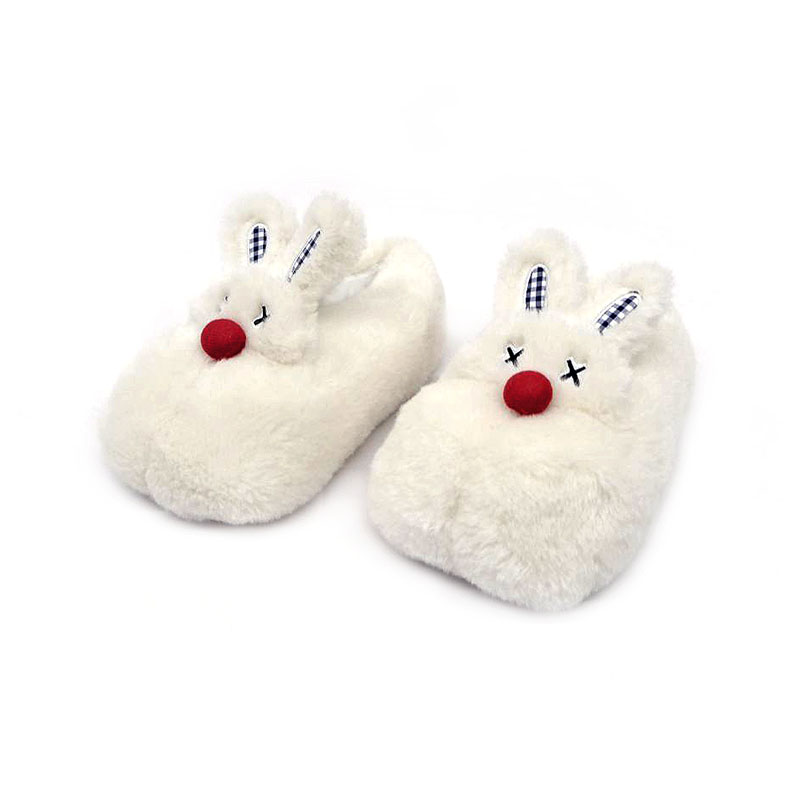
Di antara banyak gaya yang ada, selipar arnab arnab kekal sebagai salah satu reka bentuk yang paling diminta untuk kanak-kanak kecil , sebahagian besarnya kerana telinga lembut dan bentuk bulat menarik minat kanak-kanak kecil dan kanak-kanak prasekolah. Walau bagaimanapun, populariti reka bentuk tidak menjamin kualiti tunggal. Banyak versi bajet mengutamakan hiasan muka dan telinga sambil menggunakan tapak nipis yang tidak bercorak di bawahnya. Apabila membeli selipar arnab arnab secara khusus, pastikan pengeluar menyenaraikan tapak luar getah atau bertekstur secara berasingan daripada bahan atas yang mewah, kerana kedua-dua komponen ini sering dihasilkan secara berbeza walaupun dalam barisan produk yang sama.
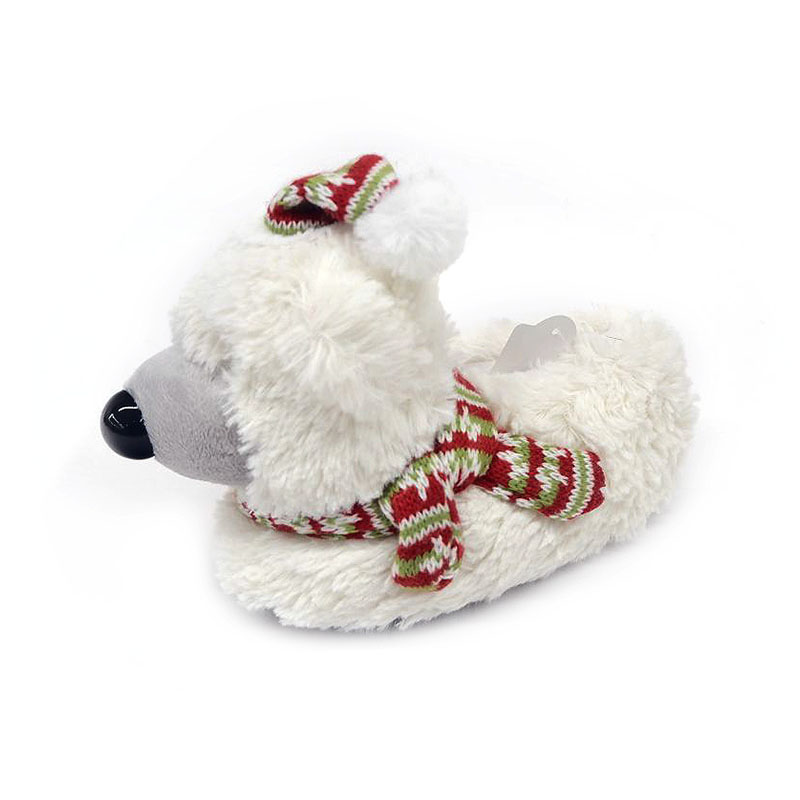
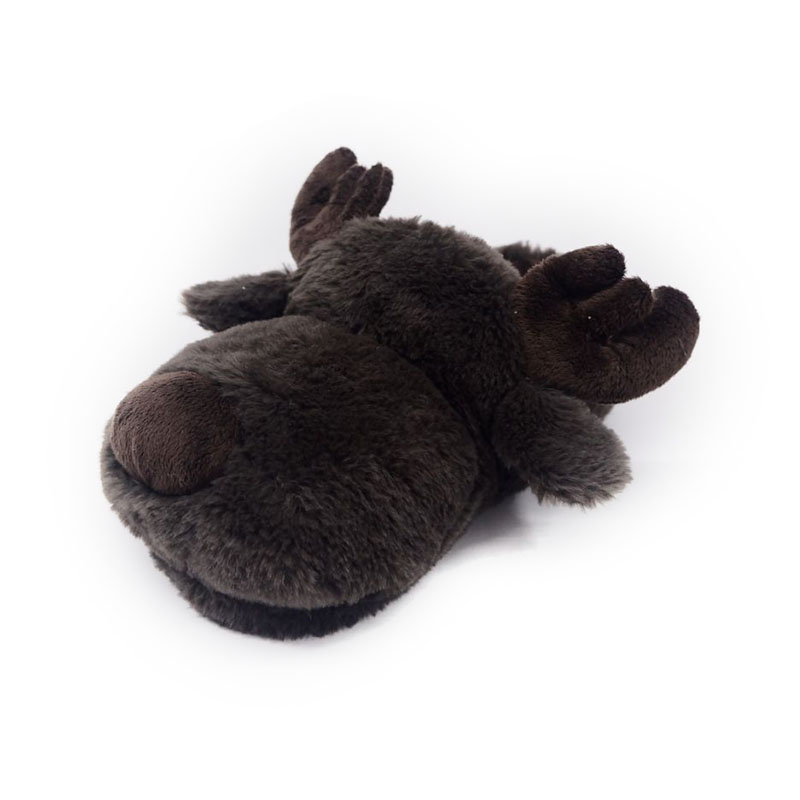
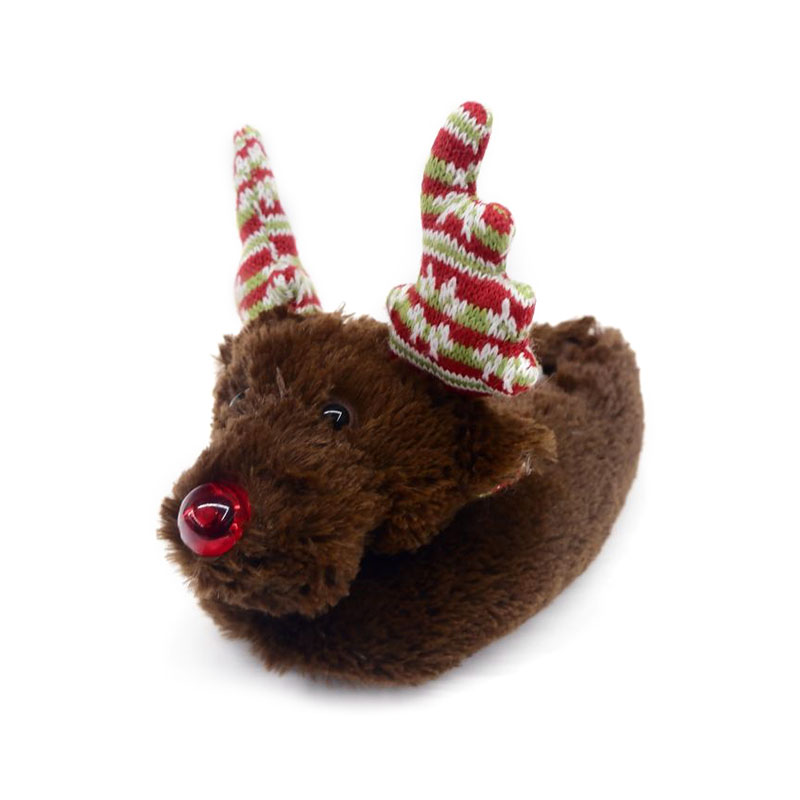
Kasut rumah haiwan popular lain, termasuk reka bentuk beruang, musang dan dinosaur, mengikut peraturan yang sama: tema watak tidak mempunyai kaitan dengan prestasi daya tarikan. Dua pasang selipar dengan haiwan daripada jenama yang sama boleh mempunyai gred tunggal yang berbeza bergantung pada barisan produk tertentu.
Kayu keras lwn. Jubin: Permintaan Berbeza pada Cengkaman
Kayu keras dan jubin kedua-duanya dianggap "lantai keras", tetapi mereka berkelakuan berbeza di bawah kaki. Kayu keras selalunya mempunyai kemasan berlilin atau tertutup yang boleh menjadi lebih licin apabila kering tetapi kurang licin apabila sedikit berdebu. Jubin, terutamanya jubin berlapis, cenderung menjadi lebih berbahaya apabila terdapat sedikit kelembapan, seperti berhampiran bilik mandi atau dapur.
info
Untuk isi rumah dengan lantai jubin di kawasan lalu lintas tinggi, tapak dot silikon atau tapak getah TPR biasanya merupakan pilihan yang lebih selamat, kerana ia mengekalkan cengkaman walaupun dengan kelembapan permukaan yang kecil. Untuk rumah yang dominan kayu keras, tapak TPR yang lebih kukuh sedikit dengan corak bunga yang lebih lebar cenderung untuk mengagihkan tekanan dengan lebih sekata dan mengurangkan gelongsor semasa pergerakan pantas.
Tanda Amaran Bahawa Selipar Haiwan Kurang Cengkaman Yang Betul
Sebelum memuktamadkan pembelian, perhatikan bendera merah ini, yang sering menunjukkan daya tarikan yang tidak mencukupi:
- Tapak dibuat sepenuhnya daripada fabrik lembut yang sama seperti bahagian atas, tanpa lapisan keras yang berasingan
- Penyenaraian produk tidak menyebut "tidak licin," "anti-gelincir" atau "tapak cengkaman" di mana-mana dalam perihalan
- Tapaknya kelihatan berkilat atau berkilat dalam foto, menunjukkan permukaan licin dan rendah geseran
- Ulasan kerap menyebut selipar digunakan hanya pada bilik berkarpet
Petua Penyelenggaraan untuk Memelihara Cengkaman Tunggal Dari Masa
Malah tapak kaki yang direka dengan baik boleh kehilangan keberkesanan jika tidak dijaga dengan baik. Pembersihan tetap boleh memanjangkan hayat fungsi tapak cengkaman selama beberapa bulan , kerana pengumpulan habuk dan serabut dalam alur bunga mengurangkan geseran dengan ketara.
Langkah Pembersihan Mudah
- Lap tapak kaki dengan kain lembap setiap minggu untuk mengeluarkan habuk dan serpihan
- Elakkan pengeringan mesin, kerana haba yang tinggi boleh meledingkan tapak getah atau silikon
- Anginkan selipar kering sepenuhnya sebelum digunakan seterusnya untuk mengelakkan bahan tunggal daripada menjadi rapuh
- Gantikan selipar apabila corak bunga kelihatan rata atau haus licin
Berhati-hati
Sebaik sahaja corak bunga telah haus dengan licin, tapaknya tidak lagi memberikan cengkaman yang bermakna - penggunaan berterusan pada kayu keras atau jubin pada ketika itu membawa risiko jatuh sebenar untuk kanak-kanak kecil.
Senarai Semak Pembelian Akhir untuk Ibu Bapa
Sebelum menambah kasut rumah haiwan pada troli anda, jalankan senarai semak pantas ini untuk mengesahkan ia sesuai untuk lantai kayu keras dan jubin:
- Bahan tunggal adalah getah, TPR atau silikon bertekstur dan bukannya kain biasa
- Penerangan produk dengan jelas menyebut ciri tidak licin atau cengkaman
- Ulasan mengesahkan penggunaan selamat pada lantai keras, bukan hanya permaidani
- Corak bunga tunggal kelihatan dan konsisten di seluruh tapak
- Saiz membolehkan padanan yang selamat, kerana selipar yang longgar mengurangkan daya tarikan tanpa mengira kualiti tapaknya
Bawa pulang
Dengan memberi tumpuan kepada pembinaan tunggal dan bukannya reka bentuk watak semata-mata, ibu bapa dengan yakin boleh memilih selipar arnab arnab atau mana-mana selipar lain dengan haiwan yang memastikan kanak-kanak selesa dan stabil di atas lantai kayu keras dan jubin sepanjang tahun.